By Suzi Q. Smith

 Poet and author Suzi Q. Smith has shared her work throughout the U.S., sharing stages with the late Gil Scott Heron, Nikki Giovanni, Talib Kweli, and many more over the years. Her work has appeared in Union Station Magazine, Suspect Press, Muzzle Magazine, Malpais Review, Peralta Press, and more. She likes her coffee with cinnamon and cayenne pepper.
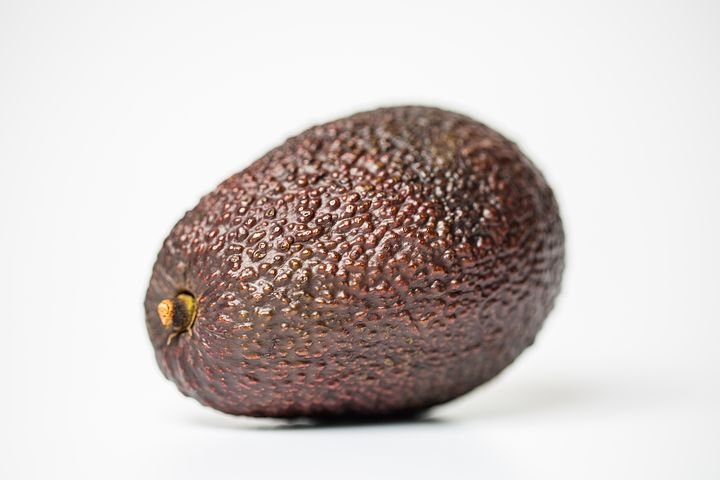
You are a lawyer & arguing in front of the Supreme Court. Your argument is subtle yet muscular, structured to lure the justices in until they teeter at the edge of your decision then tip themselves over the precipice. As you finish there is an audible gasp from the audience. You sit & peek at the competing lawyer. She mouths the sentence How can I follow that? to her colleague. You feel proud. You try not to feel smug. But you got this. After the other lawyer’s argument there’s a recess. You wait outside alone & a boy in overalls walks up. This is for you, the boy says & hands you a piece of paper ripped from a notebook. The note reads Please meet me in my chambers. It is signed Justice Thomas Hanks. Just then you remember, it hadn’t seemed relevant before, that Tom Hanks is on the Supreme Court. The boy in overalls says Follow me & guides you through a tangled maze of sliding & secret & trap doors until you arrive at Justice Thomas Hanks’s chambers. Hanks has an old red pickup truck in his chambers, no other furniture. He is sitting in the driver seat with the truck off. He waves you in & you climb in. Hanks chuckles. That was one hell of an argument, he says. But you know what? If I side against you the others will follow my lead. You could say I hold your future in my hands. You realize Hanks is negotiating. What do you want? you say. I want, Hanks turns to you, you to kiss me. You are outraged, but it’s his word against yours & Tom Hanks is the most trusted man in America. You kiss him, a light peck on the lips. No, Hanks says, I want you to kiss me like your children are on fire. You refuse & there is a series of action-movie sequences, chases, explosions, snipers. You end up in a grocery store. There is pyramid of perfectly ripened avocados & you approach them, excited. A man in overalls cuts in front of you, scoops all the avocados up, & tosses them into his cart. You are devastated. You glare at the man in overalls. He pays you no mind. You feel shockingly dejected. You are no longer hungry. You start to leave. But then you see another pyramid of perfectly ripened avocados & you walk over & start squeezing them & they feel so correct.
 Mathias Svalina is the author of five books, most recently The Wine-Dark Sea from Sidebrow Books. He is an editor for Octopus Books and he runs a dream delivery service, which you can subscribe to at: dreamdeliveryservice.com.
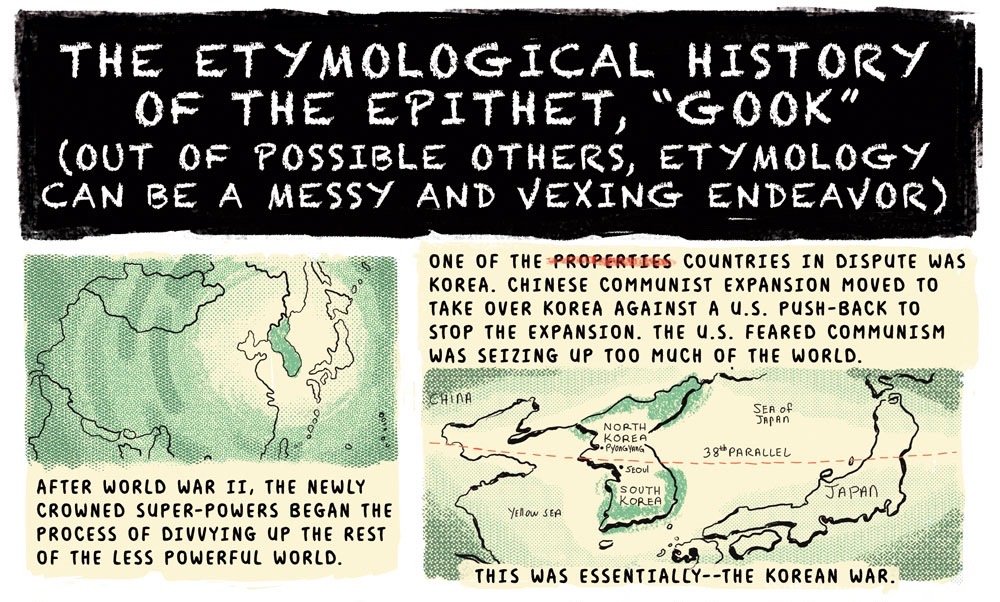

 Lonnie MF Allen found his comic-art stride as a high-schooler dabbling in zines and mini-comics, eventually coming up through the ranks in the local comix scene, where he’s long been a regular among Denver’s close-knit cartooning community. An oft-published illustrator, writer and designer in addition to his niche as an award-winning cartoonist, and named one of Westword’s 100 Colorado Creatives, Allen is an organizer for the Denver Drink & Draw meet-up. His work has been published by Dark Horse, Image Comics, and he’s been nominated for an Eisner Award. Find him at lonniemfallen.com.
 Zak Kinsella is a Denver cartoonist, and pro wrestling activist. He makes a pretty sweet comic called Outré Veil and has made a lot of tight posters for stand up comedy events. At different times in his life he has seen spooky ghosts, and UFOs…but not one Bigfoot. He does not believe the Earth is flat.

I sat down with Patricia Calhoun, co-founder of Westword and longtime editor, to talk about the Denver arts & literature scene, and to solicit some advice on managing a team of creatives.
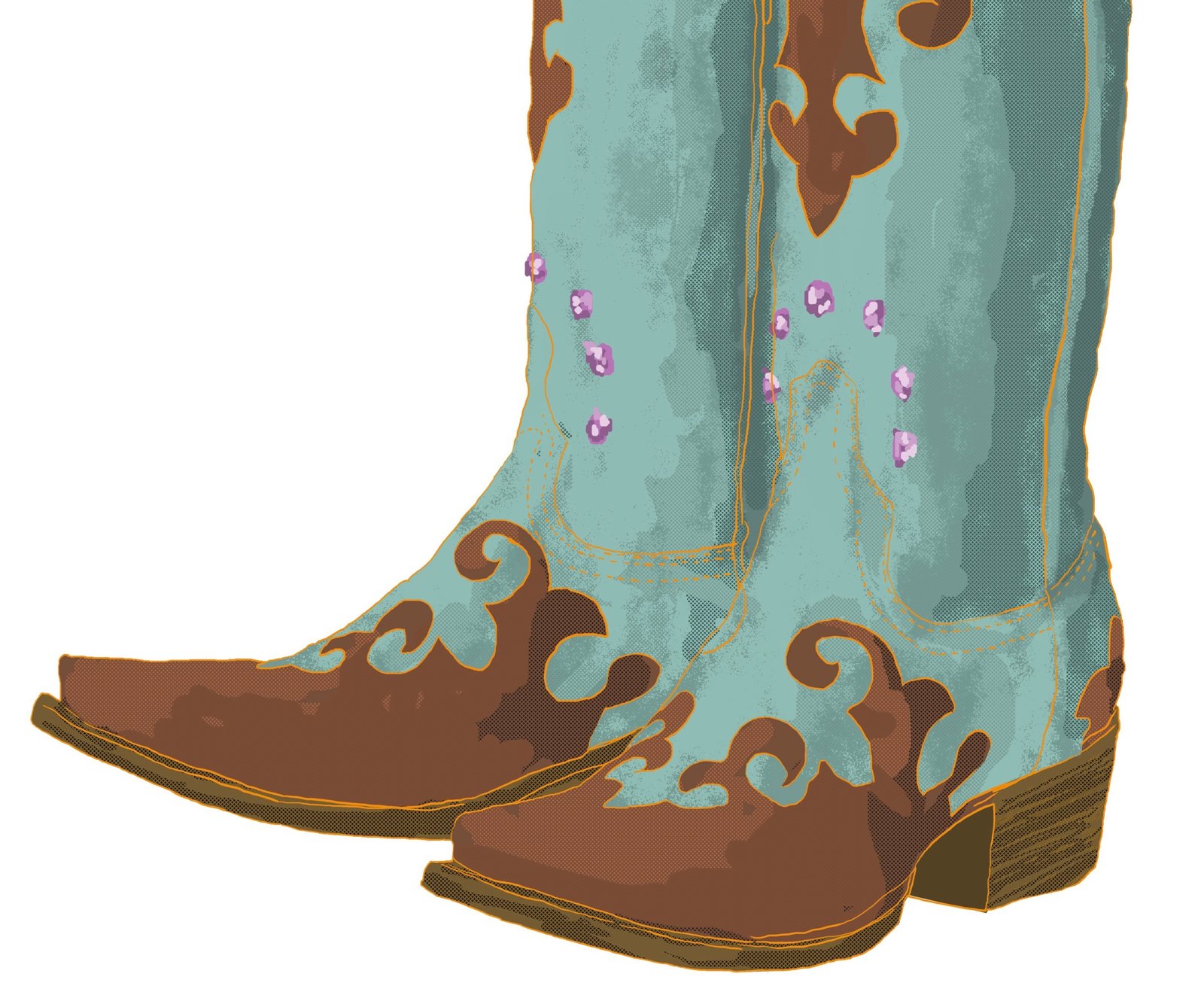
She greeted me at the Westword offices, her purse slung over her shoulder, ready to go out for a beer. My first impression: This lady’s got style. I took note of what she refers to as her ‘Granny Clampett gets a BeDazzler’ ensemble, complete with cowgirl boots and denim skirt, and thought: This is going to be fun.
You’re known for working around the clock with Westword. How do you spend your downtime?
Some friends and I just bought a crazy tower outside Lymon. It’s the World’s Wonderview Tower in Genoa, Colorado. It’s a 90-year-old tourist attraction that was falling down, so we bought it to save it, but we don’t know quite how we’re going to do that.
Do you ever get caught up in fantasy, or are you mostly realistic and analytical?
I think reality is much more interesting than anything coming out of my brain. Much more important than imagination is the ability to be surprised. You have to be willing to give up everything you thought going into a story because it might be very different. You’ve got to listen for nuance, look for detail, make connections, especially if you’re doing news and investigative reporting.
Any addictions that get you through the day?
Drinking is a time-honored tradition, especially in newspapers. When you go to a bar, you meet people who aren’t in your everyday life, and you find stories you wouldn’t find otherwise. Also, if you’re having a difficult conversation with someone it’s a lot easier to do it over a beer. I don’t like to drink alone, which might be why I’m not alone that often.
I read too much, if that’s a vice. I read everything I can get my hands on. I love the fact that neighborhood papers and niche publications still seem to be doing pretty well compared to daily papers, which are dying right and left.
What’s your take on the Denver underground magazines like Birdy, Barf, Cherry and Suspect Press?
Really it’s similar to what it’s been over the last forty years. There’ve been a lot of zines and independent art publications; they don’t necessarily last that long, music ones especially, but I love it when people are trying to do it. But it’s hard to make a living at. You have to love what you’re doing.
Do you see any of the art scenes in Denver expanding outside the state?
It’s really cyclical. Sometimes bands are hitting it big, like Nathaniel Rateliff. You’ll have times when comedy is really strong. A lot of it depends on who’s running a venue. The writing area’s boomed a lot because of publications like Birdy and Suspect Press and Lighthouse Writers Workshop. But the book pub industry is so tough. You’ve got to have a strong writer’s community just so you can have people to commiserate with. I think the bigger change right now is people who think they can’t afford to stay in Denver, so they’re not necessarily moving to make it bigger, but just to survive and still be able to do their art, and that’s a depressing development.
Have you had to make changes at Westword to evolve with an ever-changing Denver?
The changes in Westword have a lot less to do with Denver itself than the media in general. Westword is one of a group of papers that evolved in the seventies called alternative papers, so we took that name because we weren’t the daily mainstream press, but now, most of the mainstream press is gone, or they’ve changed so much…What are we an alternative to now? A very tiny Denver Post? So now we’re really just a local media outlet.
What advice would you give a new editor in chief?
Absolutely be as clear as you can with people about why a story works or why it doesn’t. But the other thing is, always give yourself enough time to sleep on it, or at least walk around the block because, especially when you’re doing creative things, with a little time and distance the solution will float into your head. Also, get ready for everyone to lie to you and make up the most creative excuses for missing a deadline. I’ve heard about more sick cats—even from people with cats I know died months earlier.
How do you justify pissing someone off in order to stand by what you think is best?
As an editor, you’re working for the story, and the reader, so you want the story to be the best it can be. At Westword we’re either disappointing or hurting people, or making them mad because we’re telling stories they might not want told, because they’re true. It might be the easy thing to not run that story, but it wouldn’t be the right thing to do.
People hating you can be energizing. Sometimes the haters are right. If we make mistakes and people call us on it, more power to them. I love when readers care enough to even say that.
One of our editors—and a former writer for Westword—asked me to ask you: What was it like dating James Eckhouse, the guy who played Jim Walsh on 90210?
He and I both played the violin, so we shared a stand in junior high, and both completely faked what we were supposed to be playing because neither of us ever practiced. It’s funny when one of your early boyfriends is not the hunk on Beverly Hills 90210—he’s the dad.
 Amanda is a short fiction and freelance writer originally from Iowa. She’s a member of the Knife Brothers writing group – a small collective of short fiction writers – who can be found occasionally haunting the Victorian halls of Lighthouse Writers Workshop. You can find her work in Suspect Press, Birdy, Jersey Devil Press, and forthcoming in the Punch Drunk Press Anthology.
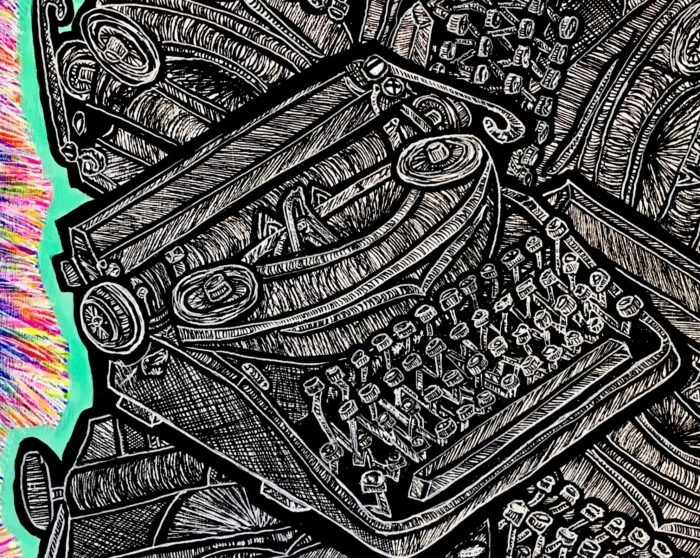

 Charly Fasano is a poet, performer, filmmaker and block printer, as well as a Westword-voted Colorado Creative. Fasano has read his poems with and shared the stage with bands like Lucero, Drag the River, Crime in Stereo, Madson Jones, Land Lines and The Queers. He is the founder of Fast Geek Press, Pretend You Can Reab audio zine, and As Well As Magazine. Fasano’s poems have appeared in Yellow Rake, Lubricated Magazine, Syntax Magazine, MovingPoems.com and Growing Strange Magazine. His book of poems, Next Analog Broadcast (2011) was published by Sunnyoutside Press, and was followed by a multimedia book and 7 inch called RETROSPECT/ED featuring the music of Lucero, released on Fast Geek Press in 2014.
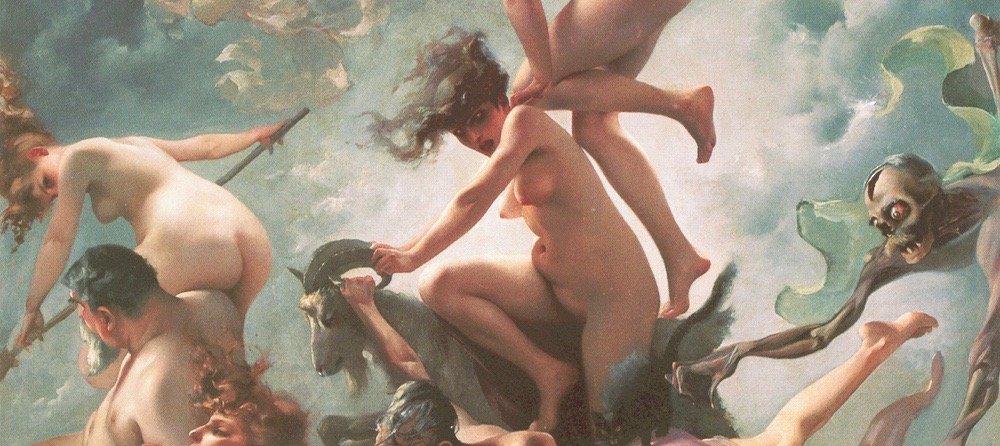


Prompt given by Josiah Hesse: Watching your entire record collection burn in a fire
Now that the dogs have made it to a safe place and all the humans have been accounted for, there isn’t much else to do. I think about pulling out my phone and capturing the fire on video, but what would I do with the footage? I don’t want to post it on social media with a “myhouseisonfire” hashtag. I can’t stand it when people litter their pages with sympathy-soliciting shock posts. I’m also trying not to document every single thing that happens to me, since I remember a time when people didn’t have video cameras in their pockets. And for whatever reason, I don’t trust that overwhelming urge to utilize my smartphone every time something somewhat unique takes place. I can’t say exactly what’s wrong with going through life like that, but it just doesn’t feel like it’s a very healthy way to live.
So I keep my phone in my pocket as I walk around to the side of the house to where a window had broken. I feel a pang in my stomach when I see my entire record collection burning at the other end of the living room. It’s quite the sight to behold, since I have over 1,200 LPs and another three to four hundred singles. With that collection, I’ve made thousands upon thousands of dollars DJing throughout the years. I also painstakingly tracked down every record I loved as a kid, and replaced all my tapes and CDs with the LP version. I have almost every record I ever wanted. It’s a collection twenty-two years in the making.
I shake my head as the realizations pile up: I’m not going to be able to DJ again. I’m not going to be able to sit on my couch with a stack of zines as the sweet punk songs turn at 33 and ⅓ RPM on my turntable. I’m not going to be able to rebuild the collection at the reasonable 1990s price of $8 an LP. And I’m not going to get to organize my records autobiographically like Rob in High Fidelity — a task I had always been meaning to accomplish.
But I don’t cry. I don’t bemoan my fate. I just stare. And as soon as I stop dwelling on the consequences of my burning records, two epiphanies grip my thoughts: (1) The smoke from all that plastic can’t be good for the environment. And (2) I’m going to have to get the young IT guy at my job to teach me how Spotify works.
 Brian Polk has contributed to The Onion A.V. Club, Westword, and birdy, and began publishing his zine The Yellow Rake in 2004, which has released 30 issues over its existence. In 2014, he co-founded Suspect Press, a quarterly literary publication that celebrated ten issues under his leadership. Since 2009, he has played drums in the band Joy Subtraction, which released its second album Hate Will Keep Us Together on Denver’s Sailor Records. More recently, he started another band, Simulators. Follow him on twitter @brianpolk1234. For more information on Placement of Character, go to brianpolk.org.
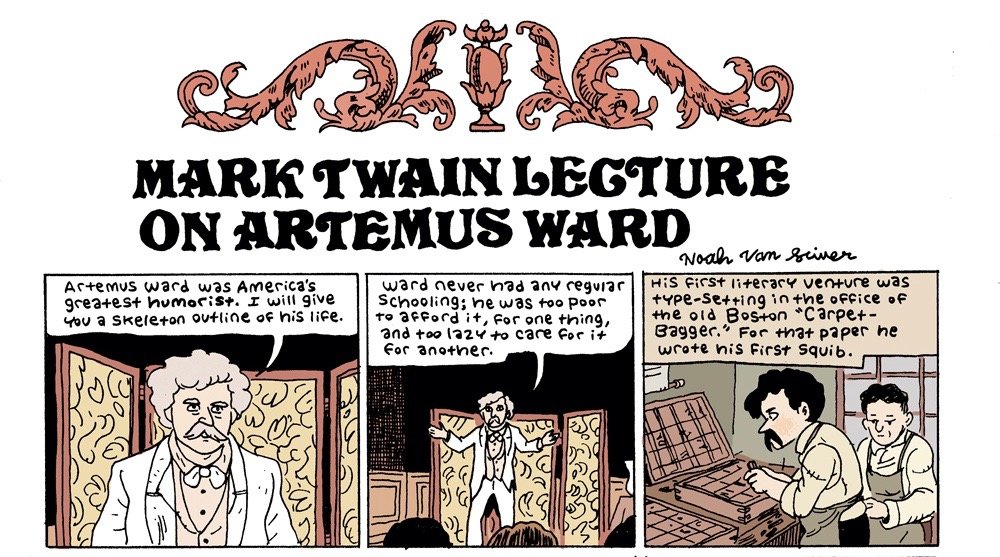

 Noah Van Sciver is an Ignatz award-winning cartoonist. He is a regular contributor to MAD Magazine and has created five graphic novels including The Hypo: The Melancholic Young Lincoln, Saint Cole, and the Fante Bukowski: Struggling Writer graphic novella series for Fantagraphics books.
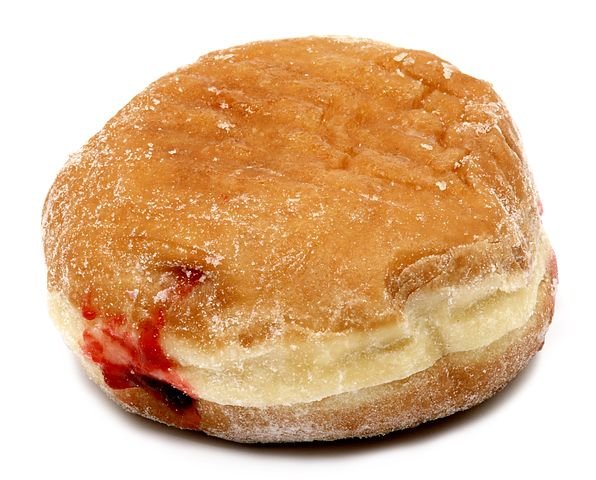
Stuffed
I’ve loved every man who has ever been inside me
While he was inside me.
To be fair,
Filling outside of the doughnut
Filling, just sitting there, isn’t as appetizing.
I Woke Up on the Floor in Cleveland
Fully dressed
Not one article of clothing belonged to me.
Hungover, I panhandled the $16 for a bus ride home
And if I never find out how I got to Cleveland that night
I will die happy.
FU#3 (Back Again)
Getting back with your ex
Is a lot like buying your old dress back from the Good Will
I’ve done both,
Twice.
You tell yourself there might be $20 in the pocket
Instead, you just find a dirty kleenex.
 Meghan left behind her previous careers (as both a ruthless bookie, and the only knight to pull Excalibur from the stone reenactor) to pursue hooch-slinging and giggle-making, and to take on the role as Chief of Butts at 5280Comedy.com. She hosts/produces unCORKED, a monthly comedy show first Wednesdays at Infinite Monkey Theorem. Check out her bad dick jokes on Twitter @MeghanIsAJoke
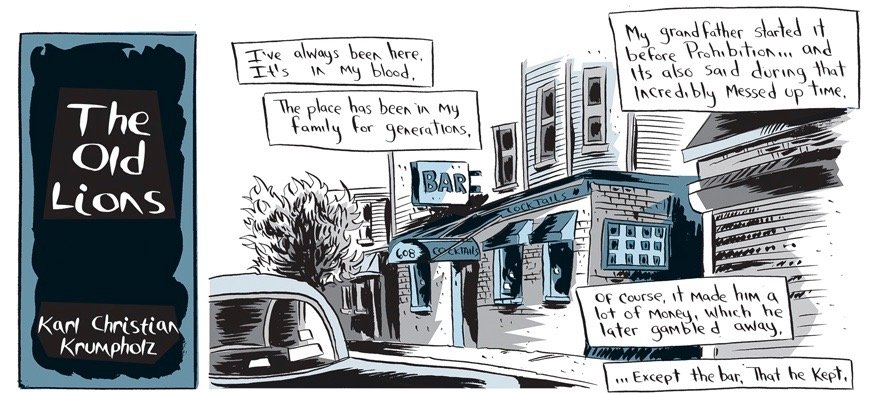


 Award-winning cartoonist Karl Christian Krumpholz’s work has appeared in many different publications and even a documentary. He is currently working on two weekly comics: The Denver Bootleg, which examines local musical history for Denver’s Westword, and 30 Miles of Crazy! – the true-ish tales of the various lives in the city. Karl is always looking for a better place to get a drink. His latest comic, An Introduction to Alcohol, compiles a storyline originally featured in 30 Miles of Crazy! and won Best in Show at the 2017 Denver Comic and Arts Expo (DINK). Karl can always be found at karlchristiankrumpholz.com
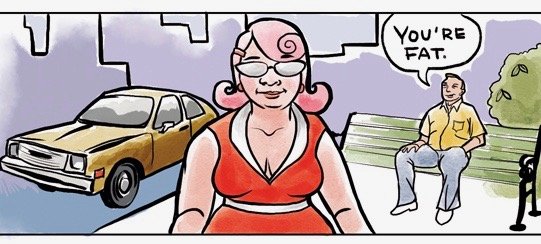

 Cori Redford was born several years ago, and still has not lost her faith in humanity. She still thinks dick jokes are funny, and dresses like a toddler. You can probably find stuff she’s done all over the internet with a quick search, and maybe you’ll want to buy one of her t-shirts or zines. She hangs out with a bunch of groovy art kids, who battle with drawings instead of guns or dance like regular gangs. She is cool.
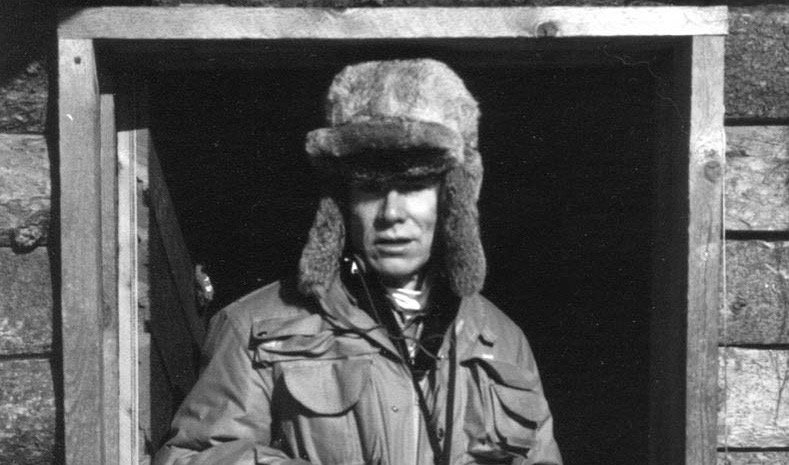

 Mark is a co-founder of The Museum of Contemporary Art Denver and founder of the Month of Photography Denver and The Big Picture street art projects. His personal fine art photography is shown and collected worldwide alongside some of the most influential photographers in history, including Ansel Adams and Irving Penn. In the 1980s, he spent time documenting the lives and work of noted artists such as Andy Warhol, Jean Michel Basquiat and Rene Ricard. Find more of his work at www.gallerysink.com.